Fortess Road rubbish collection tips for Kentish Town residents
Posted on 07/05/2026
Fortess Road Rubbish Collection Tips for Kentish Town Residents
If you live on or near Fortess Road, you already know rubbish collection can be straightforward one week and oddly awkward the next. Narrow pavements, busy frontages, flats above shops, awkward furniture, recycling that needs sorting properly, and the general London problem of "where do I put this until collection day?" all add up. This guide to Fortess Road rubbish collection tips for Kentish Town residents is designed to make that part of daily life easier, cleaner, and a bit less stressful.
Whether you are dealing with weekly household waste, a one-off clear-out, builder's rubble, a broken fridge, or garden cuttings after a weekend job, the goal is the same: get waste removed safely, lawfully, and without creating extra hassle for neighbours or yourself. We'll cover local planning tips, practical preparation, disposal options, common mistakes, and the checks worth making before you book any collection service.
One thing people often underestimate is timing. A rubbish pile left outside too early on a windy morning can turn into a small mess very quickly. A sensible plan helps more than you might think.

Why Fortess Road rubbish collection tips for Kentish Town residents Matters
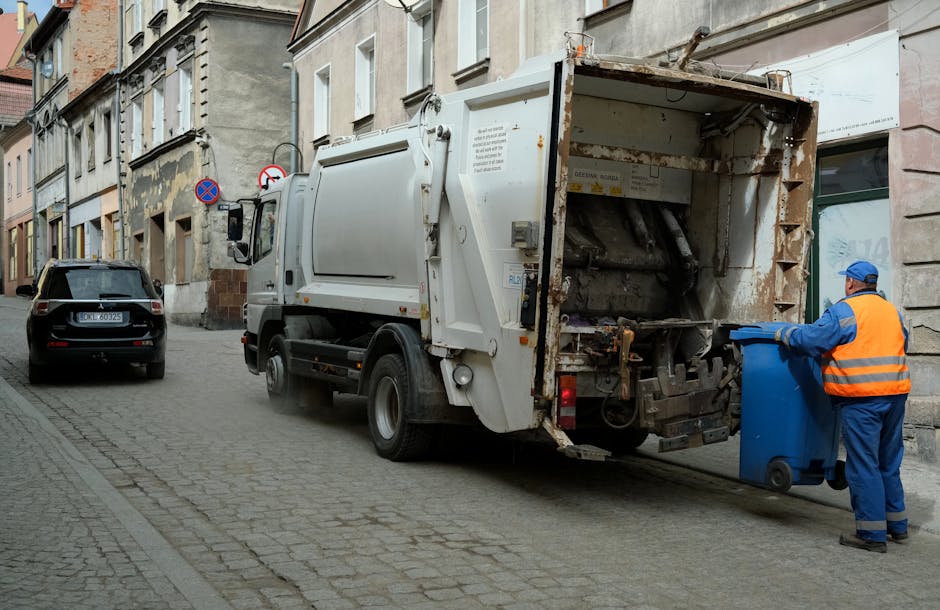
Fortess Road sits in a part of Kentish Town where ordinary waste habits get tested by the reality of urban living. There are bins to manage, shared spaces to respect, and the ever-present issue of keeping the street tidy enough for pedestrians, neighbours, and traders. When rubbish collection goes wrong, it does not just look untidy; it can create odours, attract pests, block access, and make a whole building feel less well run.
For residents, a good waste routine is more than a nice extra. It is part of living comfortably in a dense neighbourhood. And if you are trying to move house, refresh a flat, clear out a loft, or finish a small renovation, waste management becomes one of those background tasks that can suddenly take over the day. Truth be told, it is often the last thing people want to deal with, which is exactly why a few practical habits matter.
There is also a neighbourly angle. On a street like Fortess Road, one poor rubbish setup can affect several households. Bags left loose, recycling mixed badly, or bulky items abandoned outside too early can create friction fast. The upside is that the fix is usually simple: plan the load, separate the waste, and choose the right disposal route.
If you want to understand the wider service landscape before deciding what suits your situation, the services overview is a useful place to start, especially if you are comparing domestic, commercial, and specialist removal options.
How Fortess Road rubbish collection tips for Kentish Town residents Works
At a practical level, rubbish collection on and around Fortess Road tends to follow one of a few patterns: regular council collections, private waste pickup, or a mix of both depending on the type and volume of waste. Household bins usually cover the routine stream, while bulky items, renovation debris, or mixed clear-out waste may need a separate collection arrangement.
The smartest approach is to sort waste by type before you think about moving it. That usually means separating general rubbish, recycling, food waste, bulky items, and anything that needs special handling, such as appliances or hazardous material. A little preparation at this stage saves time later and reduces the chance of a collection being refused or delayed.
In most real-world situations, the process looks something like this:
- Identify what needs removing and what can be reused, donated, or recycled.
- Check whether the waste fits standard household collection routes.
- Decide if it needs a specialist service, such as furniture or appliance disposal.
- Make sure access is safe and clear for lifting and loading.
- Choose a legitimate disposal route with proper documentation where needed.
For residents who want a straightforward local collection option, domestic waste collection in Kentish Town is often the most direct fit for everyday household rubbish and mixed small clear-outs.
When the waste is heavier, awkward, or tied to property work, the same logic still applies. The difference is simply the need for more careful sorting and the right vehicle or crew. A bag of old clothes is one thing. A dismantled wardrobe or broken washing machine is another entirely.
Key Benefits and Practical Advantages
Good rubbish collection habits save time, yes, but they also reduce stress in a way people only notice after the fact. The benefits are easy to overlook because the job seems small. Then suddenly your hallway is clear, your stairwell is easier to use, and the kitchen no longer has that one box of broken odds and ends staring back at you.
Here are the main advantages:
- Cleaner surroundings: Less clutter around entrances, bins, and shared areas.
- Faster clearance: Sorted waste is easier to load and remove.
- Better recycling outcomes: Recyclable items are more likely to be handled properly.
- Lower disruption: Neighbours and passers-by experience less inconvenience.
- Reduced risk: Fewer trip hazards, blocked paths, and unsafe stacking.
There is also a financial angle. If waste is prepared properly, you are less likely to pay for unnecessary time, extra handling, or multiple trips. That does not mean the cheapest option is always the best one. It means waste sorted with a bit of thought usually costs less to remove than waste dumped in one mixed pile.
Residents who care about environmental impact often look for services that prioritise reuse and recycling. If that matters to you, the recycling and sustainability approach gives a useful sense of how responsible disposal can be built into everyday waste removal.
Who This Is For and When It Makes Sense
This advice is for anyone on Fortess Road or in the wider Kentish Town area who needs to manage waste without turning the week into a logistical headache. That includes residents in flats, landlords, families, house sharers, shop owners, office managers, and people tackling home improvements one room at a time.
It especially makes sense if you are in one of these situations:
- You have a build-up of household rubbish after a clear-out.
- You are replacing furniture and need old pieces removed.
- You are dealing with garden waste after pruning or landscaping.
- You have builder's waste from a kitchen, bathroom, or hallway project.
- You need a fast removal before tenants move in or out.
- You run a business and need discreet, dependable waste clearance.
For commercial premises, the approach needs a bit more discipline because waste can build up quickly and affect the customer experience. If that sounds familiar, commercial waste removal in Kentish Town is worth looking at, especially for shops, cafes, offices, or mixed-use buildings.
And if the project is larger than a standard collection job, think of a full declutter, probate clearance, or a pre-sale clean-out, then a more comprehensive service may be the right call. In that case, house clearance in Kentish Town can be a better match than trying to juggle multiple small pickups.
Step-by-Step Guidance
Here is the simplest way to handle rubbish collection on or near Fortess Road without overcomplicating it.
1. Start with a room-by-room sweep
Walk through the property and gather rubbish into categories. Separate what is definitely waste from what could be reused, donated, or sold. Be honest here. That old chair in the corner is either useful or it is not. Half-measures only delay the inevitable.
2. Identify anything that needs specialist handling
Bulky furniture, mattresses, white goods, electrical items, and renovation waste often need specific collection arrangements. If you are dealing with appliances, the safest route is often to use a dedicated service such as white goods and appliance disposal in Kentish Town.
3. Measure access before collection day
It sounds basic, but access can make or break the job. Check stairwells, tight hallways, basement steps, locked gates, and any parking restrictions. On a street like Fortess Road, a few minutes spent thinking about access can save a lot of dragging, lifting, and mild frustration. Nobody enjoys wrestling a wardrobe around a corner at 8am.
4. Bag, bundle, or break down where possible
Smaller, well-contained waste is easier to carry and safer to load. Cardboard should be flattened. Furniture can sometimes be dismantled. Loose sharp items should be wrapped securely. The goal is simple: make the load safer and less awkward for everyone involved.
5. Choose the right service for the waste type
Not all rubbish is the same, and the wrong service can create delays. For example, builders' rubble and mixed renovation waste are not the same as household clutter. If your job involves plasterboard, timber, tiles, or heavy debris, a more targeted option like builders waste removal in Kentish Town is often the more sensible path.
6. Confirm timing and payment details before the day
A good collection job runs better when everyone understands the time window, access plan, and payment terms in advance. If you are comparing quotes, you may also want to review pricing and quotes so you know what is included and what might count as extra handling.
Expert Tips for Better Results
After enough rubbish jobs, one pattern becomes obvious: the people who prepare well almost always have a smoother day. Not perfect. Just smoother. And that is often enough.
- Sort before you call: It makes the job easier to estimate and faster to complete.
- Keep recyclables separate: Clean cardboard, metal, and certain plastics are easier to handle when kept apart.
- Avoid overfilling bags: Heavy bags split at the worst moment, usually on the stairs.
- Protect shared areas: In flats, use blankets or cardboard on floors if items need to be moved through narrow hallways.
- Take photos of awkward loads: This helps when discussing access or getting a sensible estimate.
- Ask about sorting at the point of collection: Some teams can separate recyclable and non-recyclable material more efficiently when the load is prepared cleanly.
A small but useful tip: if you are dealing with multiple rooms, label piles by destination. Keep "donate", "recycle", "bin", and "collect" separate. It sounds fussy, but it stops decent items being thrown away by mistake. Happens all the time, unfortunately.
If your main priority is a tidy, efficient pickup that supports better environmental handling, it can help to choose a provider with a clear waste carrier licence and compliance position. That is not just paperwork. It is part of responsible disposal.
Common Mistakes to Avoid
Most rubbish collection problems are preventable. The tricky bit is that they usually feel minor right up until they become expensive or inconvenient.
- Leaving rubbish out too early: This can clutter the street and attract complaints.
- Mixing everything together: It slows down removal and can reduce recycling potential.
- Ignoring access issues: A collection plan that ignores parking or stair access tends to fall apart quickly.
- Forgetting about special items: Fridges, freezers, mattresses, and certain electricals may need specific handling.
- Using an unverified collector: If a waste carrier is not properly licensed, you could end up linked to fly-tipping if the waste is dumped illegally.
- Assuming one quote fits all: The cheapest estimate may not include labour, sorting, or disposal of heavier items.
A common local scenario is this: someone on Fortess Road clears a flat on a Sunday, leaves bags in the wrong place, then realises the lift is too small for the sofa. That is the kind of thing that turns a simple removal into a long afternoon. Planning beats panic every time.
Tools, Resources and Recommendations
You do not need a van full of gear to manage rubbish properly, but a few simple tools help more than people expect. Strong gloves, a dolly or sack truck, bin bags suited to the weight, twine for bundling cardboard, and a torch for dark corners can make the whole task less messy and safer.
For larger jobs, the most useful resource is often not a tool at all, but a clear service page that explains what is included. If you are not sure whether you need a one-off pickup or a broader clearance, the about us page can help you understand the team behind the service and how they approach local removals.
You may also want to keep these pages handy when making decisions:
- insurance and safety information for reassurance around handling and risk
- payment and security details if you prefer to confirm how transactions are handled
- furniture removal in Kentish Town for bulky household items that are too awkward for the bin store
For readers who enjoy the practical side of local living, some of the area-focused writing on the site can also be surprisingly useful. A broader sense of Kentish Town life and property patterns often helps when planning moves or clear-outs, and the life in Kentish Town residents' perspective article gives that kind of local feel. Not essential, but handy.
Law, Compliance, Standards, or Best Practice
Waste disposal in the UK is not something to be casual about. The main principle is simple: your waste should be handled by a legitimate, traceable route. If you hand waste to someone who is not authorised, or if rubbish later appears fly-tipped, you can end up with a problem that is much harder to deal with than the original clutter.
That is why it is sensible to check that any collector can explain how they manage disposal, what happens to recyclable material, and how they handle bulky or regulated waste streams. Best practice also includes:
- using licensed operators where appropriate;
- keeping basic records or quotes for larger jobs;
- separating hazardous or special waste from general rubbish;
- avoiding overloading shared bins or communal storage areas;
- respecting building rules and local access constraints.
For transparency around responsible conduct, you may also find the company's modern slavery statement useful alongside its compliance information. It is not the sort of page people read for fun, obviously, but it does matter when you are checking standards.
If you are unsure whether a load counts as domestic, commercial, or something more specialised, ask before collection day. A quick clarification is better than a last-minute shuffle with everyone standing around in the drizzle. London has enough surprises already.
Options, Methods, or Comparison Table
Different waste situations call for different approaches. Here is a simple comparison to help you decide what fits best.
| Collection option | Best for | Strengths | Watch-outs |
|---|---|---|---|
| Regular household bin collection | Everyday rubbish and recycling | Convenient, routine, usually low effort | Not suitable for bulky items or excess waste |
| Private domestic waste collection | Small clear-outs, mixed household rubbish | Flexible timing, helps when bins are full | Needs clear sorting and proper access planning |
| Furniture or appliance removal | Sofas, wardrobes, washing machines, fridges | Handles bulky, awkward items safely | May require dismantling or special handling |
| Builder's waste removal | Renovation debris, timber, rubble, tiles | Suitable for heavier and messier jobs | Load type affects cost and collection method |
| House clearance | Full or partial property clear-outs | Efficient for larger volumes and mixed contents | Needs time, access, and clear instructions |
As a rule of thumb, the smaller and cleaner the job, the more straightforward the collection. The bigger and more mixed it gets, the more value you get from using a service built for that exact task. No mystery there.
Case Study or Real-World Example
Picture a typical Fortess Road flat after a long weekend of sorting things out. There is an old chest of drawers in the hallway, a broken desk in the bedroom, a stack of cardboard from a new shelving delivery, and a fridge that needs replacing. Nothing extreme, just enough to make the flat feel cluttered and slightly chaotic.
The resident starts by separating cardboard and small recyclable bits from the bulky items. The drawers are emptied, the desk is partially dismantled, and the fridge is kept clear of food and water before collection. Access is checked for the narrow stairwell and a parking spot is reserved as close as possible. It takes maybe twenty minutes of preparation, which sounds like a faff, but it saves a lot more time later.
By the time the collection team arrives, the items are grouped neatly by type, the route is clear, and the job is done quickly. The hallway feels bigger immediately. The smell of old cardboard disappears, the fridge is gone, and the resident can finally get on with the rest of the weekend. Small win, but a real one.
That is the quiet truth of good rubbish collection: the best jobs look almost boring from the outside because someone did the thinking beforehand.
Practical Checklist
Use this checklist before any rubbish collection on Fortess Road or nearby streets.
- Identify the exact waste types you need removed.
- Separate recyclable items from general rubbish.
- Check for anything bulky, heavy, sharp, or electrical.
- Measure access routes, staircases, and door widths if needed.
- Confirm parking or loading arrangements where relevant.
- Bag and bundle waste securely.
- Keep legal, donation, and recycle piles apart.
- Ask for a clear quote with no vague extras.
- Check the collector's compliance and safety information.
- Make sure the collection time suits your building and neighbours.
Expert summary: the best rubbish collection plan is not the one with the most effort; it is the one that matches the waste type, the access situation, and the real pace of your day. Get those three things right and the rest tends to fall into place.
Get a free quote today and see how much you can save.
Conclusion
Good waste management on Fortess Road is really about keeping life moving. The street is busy, homes are close together, and rubbish has a habit of becoming everyone's problem if it is not handled well. But with a little sorting, a sensible collection plan, and the right service for the job, the whole process becomes much easier than it first appears.
Whether you are clearing a single bulky item or preparing for a larger move, the main thing is to stay practical. Sort early. Check access. Use a legitimate collector. And do not leave the awkward stuff until the last minute if you can help it. That last bit saves more stress than people realise.
If you are comparing options, reviewing service details, or simply trying to get your flat back under control, a calm, well-planned collection beats a rushed one every time. And once the clutter is gone, the room feels different. Lighter, somehow. That is usually the moment people breathe out and think, yes, glad that's done.