







09/09/2026
If you need rubbish cleared in Kentish Town, speed matters - but so does getting a fair price.
Rubbish Clearance Kentish Town provides rubbish clearance in Kentish Town for homes, landlords, workplaces and building projects that need waste removed in a practical, organised way. We handle everyday domestic waste, bulky furniture, appliance disposal, garden waste, house clearances and builders waste, with a focus on straightforward collection and responsible handling of the material we remove.
If you need waste taken away from a flat, house, shop or site, our service is designed to keep the process simple from the first enquiry through to completion. You can use our services overview to understand the range of collections we support, or go straight to a quotation request when you know what needs clearing. We work across several common clearance types, so it is usually possible to match the job to the right service rather than treating every load the same.
Many customers want one company to manage mixed rubbish in a single visit, especially when items have built up over time or when a property is being prepared for change. That can include bagged waste, bulky household items, old fittings, broken appliances and lighter construction debris. Clear descriptions of what needs to go help us direct the enquiry efficiently, and they also make it easier to separate a small domestic collection from a larger clearance that needs more time and labour.
Domestic rubbish collection is often the most useful starting point when a home has accumulated ordinary waste that is too awkward, too heavy or too much for normal bin collections. Our domestic waste collection in Kentish Town covers common household rubbish, mixed bagged waste, unwanted items from cupboards or storage areas, and small clear-outs where the main aim is to recover usable space without overcomplicating the job.
This type of collection is suitable when the waste is not limited to one material stream. A practical sort of service matters because households often have a combination of packaging, broken household goods, old toys, worn textiles and general clutter. We can also help where items have become inconvenient to move, provided the load is described clearly enough for the right vehicle and labour to be arranged. Where access is tighter, such as upper-floor flats or shared entrances, the way the collection is planned can be just as important as the volume of waste itself.
Useful details for this kind of enquiry include the general type of waste, whether there are bulky items, and whether anything must be moved from inside the property, a garden or a communal area. You do not need to write a long explanation; a clear list is usually enough. If you are comparing a one-off collection with a fuller clear-out, the next step is simply to ask for a price based on the actual material and access involved. A short message now can save a great deal of back-and-forth later.
Bulky item removal calls for a different approach from light household waste because furniture and appliances can be awkward to lift, manoeuvre and load safely. Our furniture removal in Kentish Town is suited to wardrobes, sofas, tables, beds and other large household pieces that need to be taken away without the customer having to manage transport or disposal arrangements on their own.
For larger domestic projects, house clearance brings together multiple types of contents into one organised removal. The relevant service page for house clearance in Kentish Town reflects this broader scope, where rooms may contain furniture, stored possessions, mixed household waste and items that need careful sorting before removal. Appliances can also be handled through our white goods and appliance disposal service when the job includes fridges, washing machines, cookers or similar units that should be treated separately from ordinary rubbish.
These jobs are often easiest to plan when the customer identifies what stays and what goes, plus any items that may need dismantling or additional handling. In many cases, the real decision is not only about volume but also about the mix of contents and the access available on the day. If you want a cleaner handover after a move, refurbishment or tenancy change, it is worth asking for a quotation that reflects the full scope rather than only the largest visible items.
Building work creates a different waste stream from domestic clearances, with rubble, timber offcuts, packaging, plasterboard and mixed site debris often appearing together. Our builders waste removal in Kentish Town is intended for renovation and construction jobs where materials need to be removed promptly so the work area remains manageable. This kind of service is especially useful when the waste builds up faster than general household or business disposal can deal with.
For businesses, offices and other non-domestic premises, our commercial waste removal in Kentish Town is the relevant route when premises need ongoing or one-off clearance support. Commercial waste can include packaging, shelving, stock-related items, office furniture and mixed refuse generated by trading or refurbishment activity. The right service choice depends on whether the waste is mainly from construction, daily operations or a change of use, because that affects how the load is described and organised.
When asking about site waste, it helps to mention whether the material is loose, bagged or stacked, and whether there are time constraints connected to the work schedule. A concise outline of the materials, floor level and access route usually gives enough information for a practical quote. If the clearance is tied to a larger project, it can also help to separate reusable items, general rubbish and heavier debris before the removal takes place.
Outdoor spaces can quickly accumulate green waste, old pots, broken furniture, fencing offcuts and other items that do not belong in a normal indoor collection. Our garden waste removal in Kentish Town is suited to seasonal tidy-ups, larger garden clearances and mixed outdoor rubbish that needs to be removed without turning the job into a lengthy manual process for the customer.
Garden clearance often includes more than cuttings alone. Depending on the state of the space, it may involve branches, soil bags, plant matter, damaged sheds or disused outdoor items that have been left in one place for a long time. That is why it is worth describing the waste as accurately as possible rather than assuming it will fit a generic removal. If the garden is behind the property or reached through a narrow passage, access should be mentioned early so the collection can be judged properly.
Some outdoor jobs are straightforward, while others are slowed by tangled materials, damp waste, awkward lifting routes or the need to separate reusable pieces from disposal-only material. Practical planning helps here more than any broad promise. If you are clearing a garden before landscaping, moving home or reopening a rental property, a focused quotation based on the contents and access is the best starting point for a smooth collection.
Our pricing and quotes page is useful when you want to understand the factors that shape a rubbish clearance price. The main influences are usually the volume of waste, the type of material, the effort needed to move it and any access issues that make collection more complex. A tidy list of items is often enough to give a meaningful starting point, especially for mixed loads that do not fit a single category neatly.
Quotation requests are easiest to handle when the information is specific but brief. Tell us what needs removing, where it is located, and whether there are stairs, restricted access or items that need dismantling before they can be loaded. Photographs can be helpful where a job includes several different item types, but they are best used alongside a plain written description rather than as the only detail. That balance gives a clearer view of the work involved and reduces the chance of misunderstanding.
Two useful ways to approach a quote are to decide whether the job is a simple collection or a fuller clearance, and to separate heavy, bulky or specialist items from general rubbish. That distinction matters because it changes how much labour, sorting and handling may be involved. When you are ready, ask for a quotation that reflects the actual materials and not just an approximate guess at the amount of waste.
Responsible waste handling matters to anyone who wants rubbish removed properly rather than simply shifted out of sight. Our recycling and sustainability information explains the general approach to diverting suitable material from disposal where possible, while the waste carrier licence and compliance page covers the importance of lawful transport and handling of waste. These pages are helpful if you want to understand the standards behind the service before booking.
There is also practical information on insurance and safety and payment and security, both of which matter when a collection involves access to homes, workplaces or shared premises. For many customers, the reassuring part is not only that items are removed, but that the process is organised carefully and paid for through clear, straightforward steps. If you are comparing providers, these supporting pages give a better sense of how the work is handled beyond the visible collection itself.
Before you send an enquiry, it helps to confirm which items are staying on site, which are going, and whether there are any materials that need special treatment. You can then move quickly from a rough idea to a precise request. If you are ready to proceed, use the contact page to request a quotation and describe the waste as clearly as you can.
Kentish Town is a north London district in the London Borough of Camden, situated between Camden Town and Tufnell Park, with Gospel Oak to the west and Highgate nearby to the north. The area grew along the road route that became Kentish Town Road, and its development was shaped by transport links, local industry and the gradual spread of housing from the nineteenth century onward. The name has older roots than the modern borough setting, and the district has long been known as a place where residential streets, commercial frontages and rail corridors sit in close proximity. Kentish Town Station on the Thameslink line gives the area a clear transport identity, while Kentish Town West on the London Overground offers another important link across the district. The neighbourhood also contains a mix of Victorian terraces, later infill, converted buildings and purpose-built housing that reflect different phases of urban growth. Cultural life is visible in venues, pubs and independent businesses along the high street, while open space is available at nearby Parliament Hill and along the wider Hampstead Heath edge. This combination of rail access, dense housing and distinctive local character has made Kentish Town a recognisable part of inner north London, with a street pattern and built environment that still reveal layers of change over time.
Different properties call for different clearance methods, and the best results usually come from matching the service to the sort of space being emptied. Our about us information offers a general introduction to the business, while the service pages show how we separate domestic, commercial and building-related waste into the right categories. That structure is useful when a project involves more than one type of material and the customer wants an orderly, practical clearance rather than a one-size-fits-all approach.
Clearances tied to property changes often involve more decision-making than a simple waste pickup. For example, a tenancy handover may include a mixture of unwanted furniture, general rubbish and left-behind items, while a refurbishment may produce packaging, broken fittings and old fixtures in the same room. In such cases, the most efficient route is to define the type of property, the items involved and the intended end state. A short description of the rooms, the floors involved and any heavy objects gives a much better basis for the job than broad estimates.
Use the information pages to narrow down what is relevant, then send a direct enquiry if you need a quotation. If the load is especially mixed, it is usually better to describe it honestly than to force it into one category. That keeps expectations realistic and helps the clearance be organised around the actual work rather than an assumption.
When you are ready to arrange rubbish clearance in Kentish Town, the simplest next step is to request a quotation that reflects the type of waste, the access involved and the scale of the job. Our contact us page is the place to send those details, and it works well whether you are clearing one bulky item, a mixed household load or waste from a larger project. If you have already compared the service pages, you can refer to the relevant one in your message for an even clearer enquiry.
A good enquiry usually includes the main item categories, whether the waste is inside or outside the property, and whether any parts of the job need extra care because of stairs, shared access or awkward lifting. You do not need to over-explain, but a few accurate details can make the response much more useful. Clear information leads to clearer planning, especially when several types of waste are involved in the same collection.
For a straightforward start, choose the service that best fits the waste you want removed, then ask for a quote in plain language. If you prefer, you can mention that the job may include more than one load type and ask for advice on the best way to handle it. We are ready to help you move from an initial description to a practical clearance arrangement.
Rubbish clearance in Kentish Town for domestic, commercial and builders waste, with clear pricing, responsible disposal and a simple way to request a quotation.
If you need rubbish cleared in Kentish Town, speed matters - but so does getting a fair price.
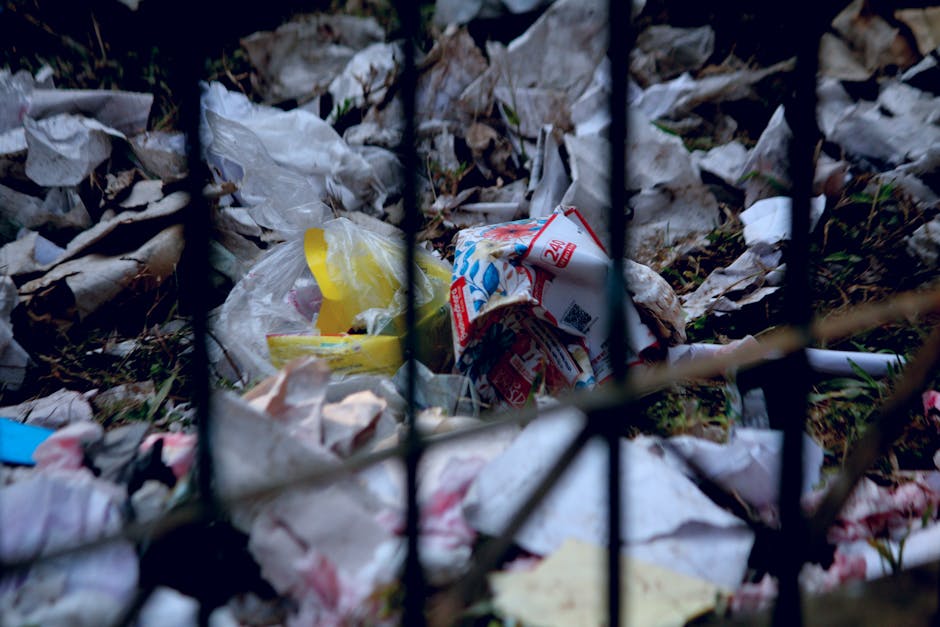
If you want to avoid fines for fly tipping in Kentish Town and find disposal rules that actually...
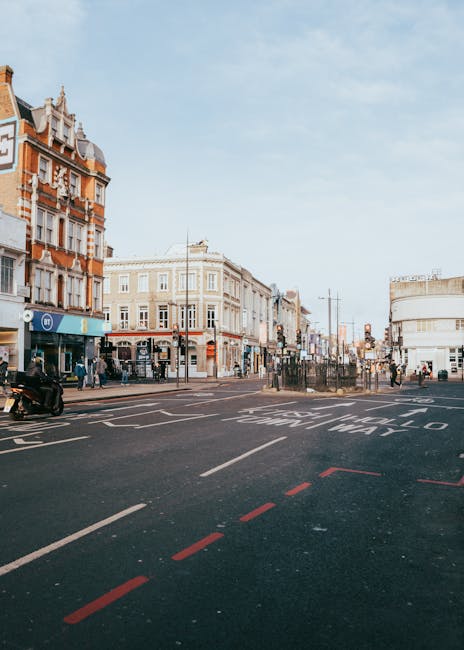
If you're planning a clear-out in Kentish Town, the last thing you want is a skip sitting outside...

Booking rubbish clearance should be simple, right? A quick call, a clear price, job done.

If you are planning a clearance in Kentish Town, the rubbish itself is often only half the story.
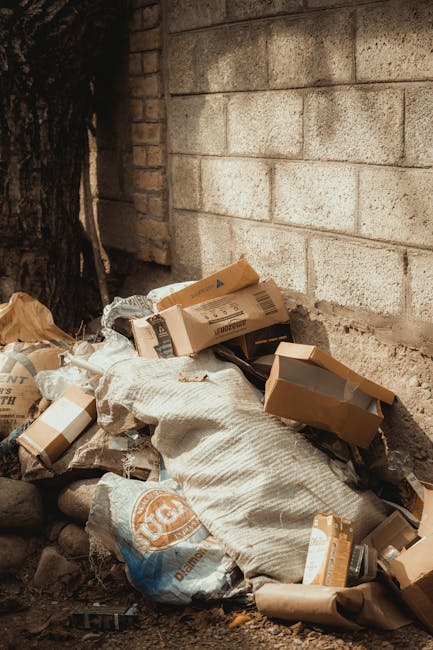
If you have ever booked a same day rubbish clearance in NW5 and then watched the clock with...

If you are looking for rubbish removal near Kentish Town West station NW5, you are probably...
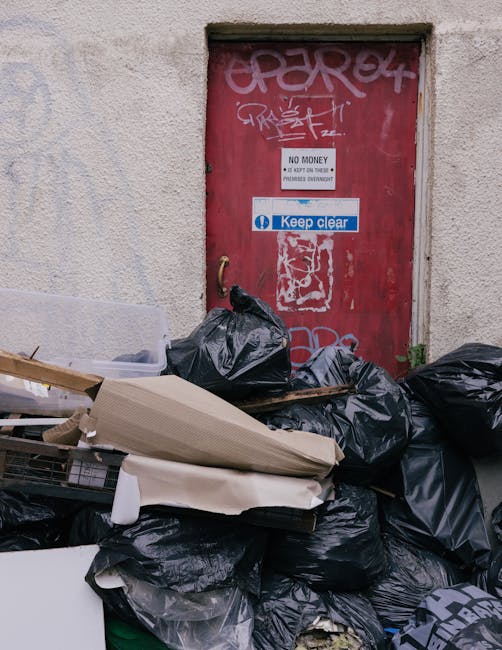
If you live in a flat in Kentish Town, rubbish can become one of those small problems that turns...
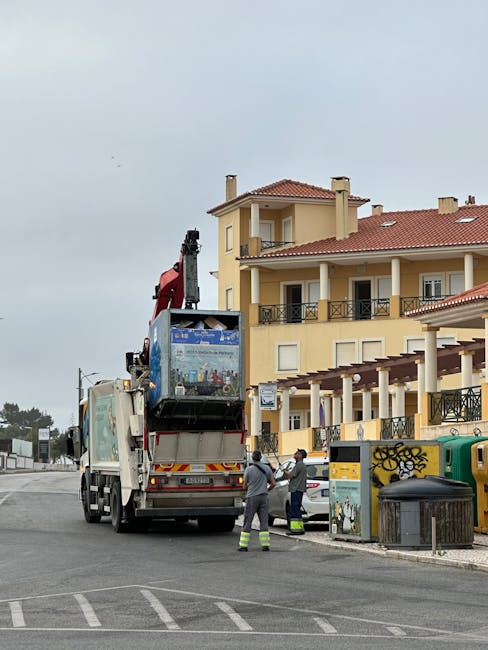
If you live on or near Fortess Road, you already know rubbish collection can be straightforward...

If you live, work, or manage a property near Kentish Town Road NW5, rubbish has a way of...

Located in the vibrant London Borough of Camden, Kentish Town is a neighborhood that blends urban...

A house clearance can be a difficult and overwhelming process, especially when it comes to the...

 (87)
(87)
Please fill out the form below to send us an email and we will get back to you as soon as possible.