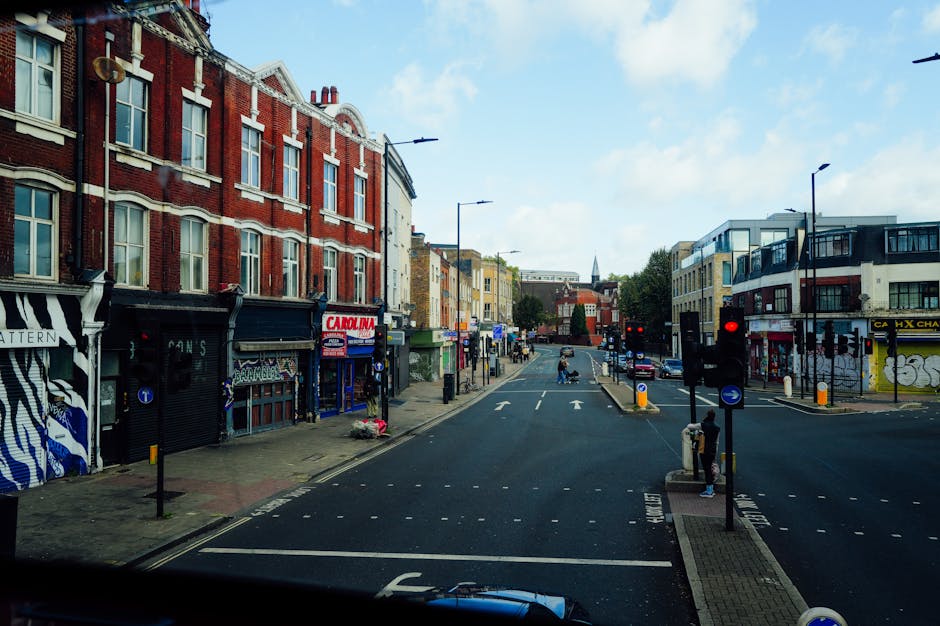
Kentish Town rubbish clearance guide Kentish Town Road NW5
Posted on 29/04/2026
If you live, work, or manage a property near Kentish Town Road NW5, rubbish has a way of appearing faster than you expect. One week it is a broken wardrobe in the hallway, the next it is builder's rubble, old boxes, or a garden pile that quietly grew after a weekend of jobs. This Kentish Town rubbish clearance guide Kentish Town Road NW5 is here to make the whole thing simpler. Clearer. Less stressful, too.
Whether you are clearing a flat, handling an office tidy-up, or dealing with post-renovation waste, the key is knowing what to remove, how to sort it, and who should handle it. That sounds straightforward, but in real life there are decisions about access, loading, recycling, licensing, safety, and cost. Miss one of those pieces and a small clear-out can turn into a messy afternoon. No one needs that.
Below, you will find a practical guide built for real-world use: how rubbish clearance works in Kentish Town, what to expect on Kentish Town Road, when it makes sense to book a service, and how to avoid common problems. If you want to explore related service options along the way, you may also find the services overview, pricing and quotes, and waste carrier licence and compliance pages useful.
Why Kentish Town rubbish clearance guide Kentish Town Road NW5 Matters
Kentish Town Road is busy, lived-in, and properly urban. That matters because rubbish clearance in NW5 is not the same as tipping a few bags in a quieter suburban driveway. You may be dealing with tight stairwells, resident parking pressures, shared entrances, and limited time windows. In a place like this, rubbish piles up in awkward ways. A sofa blocks a landing. Renovation waste sits in the back yard. A landlord needs a flat cleared between tenancies. A shop has packaging and broken fittings to remove before opening day. Life keeps moving, and the waste does not magically deal with itself.
The guide matters because the best clearance is not just about taking things away. It is about doing it safely, legally, and efficiently. It is also about protecting your time. Truth be told, most people underestimate how long sorting, carrying, loading, and disposing of mixed waste can take. A pile that looks manageable at first glance can become a three-hour ordeal once you discover heavy items, awkward access, or different waste types that should not be mixed.
There is also a local angle. In a dense part of London, you often need to think about neighbours, noise, and access. A good clearance plan avoids blocking pavements, keeps disruption down, and makes recycling easier. That is where a local service can be useful, especially if you want a straightforward route from cluttered space to clear floor. If you want a broader background on the area and how people live and work here, the life in Kentish Town resident guide gives helpful local context.
Practical takeaway: the more central and access-challenged the property, the more value you get from planning rubbish clearance properly before lifting a single bag.
How Kentish Town rubbish clearance guide Kentish Town Road NW5 Works
Most rubbish clearance jobs follow a similar pattern, even if the details vary. You contact a provider, describe what needs removing, and arrange a time. The team then arrives, assesses the load, lifts and carries the items, separates anything that can be reused or recycled, and disposes of the rest at the appropriate facility. Simple in principle. Slightly more complicated in practice, as ever.
For Kentish Town Road NW5, the process usually works best when you can be specific. Is it domestic bagged waste, office clutter, old furniture, green waste, or builder's rubble? A good description helps determine the right vehicle, labour, and approach. It can also improve the accuracy of your quote. A clear photo or two is often better than a long explanation, especially if the waste is stacked in a basement or on an upper floor.
Here is what typically happens during a well-run clearance:
- You identify the waste type and approximate volume.
- You confirm access details such as stairs, lifts, parking, and timing.
- The clearance team provides a quote or estimate.
- On the day, items are removed with care to avoid damage.
- Waste is sorted for recycling, reuse, and lawful disposal.
- You receive confirmation or paperwork where appropriate.
Different jobs need different handling. A few bags of household clutter are not the same as a post-refurb builder's skip-worth of plasterboard and timber. Nor are they handled the same way as a fridge, mattress, or sofa. If your project includes heavier household items, you may want to look at the focused furniture removal service or the white goods and appliance disposal page for more specific guidance.
In many cases, the simplest route is also the cleanest: one visit, one team, one removal plan. No extra car trips. No guessing where the nearest tip is. And no sore back the next day.
Key Benefits and Practical Advantages
A proper rubbish clearance service does more than remove clutter. It can help you reclaim space, reduce stress, and avoid the awkward middle stage where rubbish is stacked in corners for weeks because nobody quite knows what to do with it. That middle stage, by the way, tends to be the worst stage.
Some of the main benefits include:
- Speed: Waste can be removed in one go, often much faster than self-managing multiple trips.
- Convenience: You avoid hiring a van, finding helpers, and lifting heavy or awkward items yourself.
- Better sorting: Professional teams are usually better equipped to separate reusable, recyclable, and disposable materials.
- Less disruption: In a busy area like NW5, coordinated removal reduces mess in shared spaces.
- Safer handling: Large, sharp, damp, or heavy items are easier to move without injury when handled properly.
- Cleaner finish: A thorough clearance helps you see the property properly and make the next decision, whether that is decorating, selling, renting, or simply breathing again.
There is also an emotional benefit people don't always mention. Seeing a room cleared can change how the whole place feels. A dusty spare room stops feeling like a storage problem and starts feeling like a room again. Small thing? Maybe. But it matters.
If sustainability is part of your decision-making, take a look at the recycling and sustainability page. Responsible clearance should not be wasteful by default. Ideally, as much material as possible should be diverted away from landfill where suitable.
Who This Is For and When It Makes Sense
This guide is useful if you are a homeowner, tenant, landlord, letting agent, business owner, or contractor working near Kentish Town Road. Different people need clearance for different reasons, and the right approach depends on the job.
Common scenarios include:
- Tenancy changeovers: A tenant leaves behind unwanted items or general clutter.
- House moves: You want to clear unwanted furniture before moving into a smaller space.
- End-of-renovation cleanups: Builders' waste, packaging, timber offcuts, and mixed debris need removing.
- Shop and office clear-outs: Old stock, filing, broken fixtures, and redundant furniture need attention.
- Garden or yard jobs: Branches, soil, cuttings, and outdoor waste need to go.
- Bereavement or probate clearances: These often need a slower, more respectful, room-by-room approach.
If that sounds familiar, you are not alone. In practice, many people only call for clearance once the pile has become impossible to ignore. Fair enough. Life gets busy. But if you are at the point where bags are starting to block the hallway or the spare room has turned into a storage cave, that is usually the sign.
For larger property clearances, you may also want to read the practical advice in house clearance in Kentish Town and the planning-focused house clearance planning guide. Those pages are especially useful if the job involves more than a few bulky items.
Step-by-Step Guidance
Here is a straightforward way to approach rubbish clearance in Kentish Town without making it harder than it needs to be.
- Walk through the space slowly. Start at one end of the property and note everything that needs removing. Be honest about the volume. Guessing low is a classic mistake.
- Separate items by type. Furniture, appliances, green waste, builder's materials, and general household clutter are often handled differently.
- Check access. Look at stairs, lifts, narrow corridors, parking, loading space, and any time restrictions. Kentish Town can be lively, so timing matters.
- Take clear photos. Good photos save time and reduce misunderstandings. Try to show both the pile and the surrounding access route.
- Ask for a clear quote. Make sure the estimate covers labour, loading, disposal, and any likely extras. If you need help comparing options, the pricing and quotes page is worth checking.
- Prepare the waste for collection. If safe to do so, move items into one area and keep pathways clear.
- Confirm what cannot be removed. Some materials need specialist handling. Ask in advance rather than assuming.
- Be present if possible. On the day, being available helps resolve questions quickly. It also stops the wrong chair from disappearing. That happens more often than you might think.
A practical example: if you are clearing a flat near Kentish Town Road after a quick refurbishment, you might have mixed rubbish in the kitchen, an old sofa in the living room, and a pile of broken fittings in the hallway. Separating those items at source makes the clearance cleaner and usually quicker. It also helps the team choose the right disposal route for each material.
If your clearance is construction-related, see the dedicated builders' waste removal service for more detail on mixed renovation debris.
Expert Tips for Better Results
Small details make a surprising difference. A clearance that feels chaotic can become orderly with a few sensible habits. To be fair, you do not need to turn into a project manager. Just a bit of planning helps.
1. Start with the heaviest items first.
If there is a fridge, wardrobe, mattress, or table taking up half the room, deal with that before the smaller stuff. It changes the whole working space.
2. Keep recyclable items separate where practical.
Cardboard, some metals, and green waste often benefit from separate handling. Even simple separation at source can help.
3. Photograph before and after.
This is especially helpful for landlords, agents, and businesses who need a record of condition. A quick photo on your phone before the team arrives is enough.
4. Allow for access realities.
A ground-floor job and a fourth-floor flat with a tight staircase are not the same thing. A provider that understands local access issues will usually ask the right questions early.
5. Be realistic about timing.
If you need a same-day job, say so. If there are delivery windows, parking restrictions, or neighbours sensitive to noise, mention that upfront. It avoids friction later.
6. Think about what happens next.
Are you repainting, selling, re-letting, or just clearing space? The next step affects how thorough the clearance needs to be. A light tidy and a full strip-out are very different jobs.
One more thing. Don't wait until the last possible minute if you can help it. A rushed clearance tends to feel twice as stressful. Especially in a place where schedules are tight and the street never seems fully quiet.

Common Mistakes to Avoid
Most clearance problems are avoidable. The trouble is, they are also easy to make when you are trying to move quickly.
- Underestimating volume: A single room can produce far more waste than expected once cupboards, drawers, and loft boxes are opened.
- Mixing specialist waste with general rubbish: Some items need different handling, especially appliances, electricals, and construction waste.
- Ignoring access issues: If parking or loading is difficult, mention it early. Surprises on arrival are rarely helpful.
- Assuming everything can be taken together: Not every service handles every waste type in the same way.
- Choosing only on price: The cheapest option is not always the best if it misses recycling, safety, or proper paperwork.
- Leaving the clearance too late: A last-minute job can limit your options and create avoidable pressure.
A quiet but important issue is compliance. If someone offers to take waste away cheaply but cannot explain how it will be disposed of, that should make you pause. It is not being fussy. It is being sensible.
For a better sense of trustworthy service standards, it helps to review the company's insurance and safety information alongside its compliance page. Those details are boring only until they save you a headache.
Tools, Resources and Recommendations
You do not need a full van-load of equipment for every clearance, but a few practical tools make the job easier if you are doing any preparation yourself.
- Heavy-duty sacks: Useful for bagged household waste, clothing, or soft clutter.
- Work gloves: Helpful for sharp edges, splinters, or dirty items.
- Masking tape and labels: Good for marking items to keep, donate, or remove.
- Phone camera: Best for photos, quotes, and before/after records.
- Measuring tape: Handy if you are checking whether a sofa, fridge, or cabinet will fit through a doorway.
- Dust sheets: Useful when clearing old furniture or items from lofts and basements.
For service-specific needs, the following pages may help you narrow the job correctly:
- domestic waste collection in Kentish Town for everyday household rubbish
- garden waste removal for branches, cuttings, and green waste
- commercial waste removal for shops, offices, and business premises
If you like knowing who you are dealing with, the about us page is also worth a look. It can give you a better feel for the people behind the service, which matters more than many realise.
Law, Compliance, Standards, or Best Practice
Rubbish clearance is not just a moving job. It involves waste handling, transport, and disposal, so basic compliance matters. In the UK, you should only use a provider that can explain how waste is carried and disposed of lawfully. If a company is vague about this, that is a problem. Not a small one.
At a practical level, best practice usually means:
- using a properly licensed waste carrier where required
- keeping records or receipts when appropriate
- sorting materials responsibly
- avoiding fly-tipping or unverified disposal routes
- following safety procedures for lifting and moving heavy objects
It also means treating customer information responsibly, handling payments securely, and setting expectations clearly. If you are comparing providers, the pages on payment and security and terms and conditions can help you understand the structure of a professional service. For privacy and website use, you can review the privacy policy and cookie policy as well.
There is also a broader ethical side. Responsible operators should have clear policies on labour standards and supply chain expectations. That is where pages like the modern slavery statement can provide reassurance about business practices. It may not be the first thing on your mind when clearing a flat, but it is part of choosing a trustworthy company.
In short: ask sensible questions. How is waste handled? Is there a carrier licence? What happens to reusable items? What paperwork or confirmation will you receive? Straight answers matter.
Options, Methods, or Comparison Table
There are usually several ways to clear rubbish in Kentish Town Road NW5. The right one depends on volume, urgency, access, and budget. Here is a simple comparison.
| Method | Best for | Pros | Trade-offs |
|---|---|---|---|
| Self-transport to a disposal site | Very small loads and flexible schedules | Can be cheaper if you already have transport | Time-consuming, labour-heavy, and less convenient |
| Skip hire | Longer projects with a lot of rubble or ongoing waste | Useful for multi-day jobs and phased clear-outs | Requires space, permissions, and filling it yourself |
| Professional rubbish clearance | Mixed loads, bulky items, awkward access, quick turnaround | Fast, convenient, labour included, easier for heavy items | Usually costs more than self-clearance, though often better value overall |
| Specialist removal service | Furniture, appliances, garden waste, or builders' waste | Better suited to specific material types | May not suit mixed, one-off clearances unless the provider covers it |
If you are unsure, a professional rubbish clearance service is often the most practical option for Kentish Town Road because it handles access issues and labour in one go. That can be worth a lot in a busy street with limited patience for faffing about.
Case Study or Real-World Example
Imagine a small flat near Kentish Town Road that needs clearing after a kitchen update. The owners have broken cupboards, boxed packaging, an old small appliance, a few bags of general rubbish, and a bulky sofa they no longer want. They also live on an upper floor, and the stairwell is narrow enough that every turn matters.
In a situation like this, the best move is to sort the waste into clear groups before the team arrives. The appliance should be noted separately. The sofa should be measured or photographed. The packaging should be flattened if possible. The mixed rubbish should be bagged and kept near the exit path if safe to do so. The team can then remove the load efficiently, rather than stopping every few minutes to untangle a mixed pile.
What changes the outcome most is not luck. It is preparation. A small amount of organisation can reduce removal time, improve safety, and avoid damage to walls and banisters. And in a tight London property, those banisters matter more than people think. One clumsy scrape and suddenly you are talking about repairs as well as clearance. Nobody wants that extra admin.
A similar approach works for landlords between tenancies. If the previous occupier left furniture, bags of belongings, and a few tired household items behind, a room-by-room sweep helps identify what can be removed quickly and what needs more careful handling. That kind of steady, methodical approach tends to feel calmer, especially if you are already juggling cleaners, decorators, and key handover timing.
Practical Checklist
Use this checklist before booking or carrying out rubbish clearance near Kentish Town Road NW5:
- Have I listed everything that needs removing?
- Do I know which items are bulky, heavy, sharp, or specialist waste?
- Have I checked access, stairs, lifts, and parking restrictions?
- Do I have clear photos of the waste and the route out?
- Have I asked for a quote that explains what is included?
- Do I know whether recycling or reuse is part of the service?
- Have I confirmed the provider's licence, safety, and insurance information?
- Are there items that need to stay, and have I labelled them clearly?
- Is the collection time practical for neighbours, staff, or building access rules?
- Do I understand what happens after the waste is collected?
Keep this list short and realistic. You do not need to over-engineer it. Just enough structure to stop avoidable mistakes.
Get a free quote today and see how much you can save.
Conclusion
Rubbish clearance on Kentish Town Road NW5 is easiest when you treat it like a small project rather than a last-minute scramble. Know your waste type, check access, choose a provider with proper standards, and keep the process simple. That approach saves time, reduces stress, and usually gives you a better finish.
If you are handling a home clear-out, a business tidy-up, or a mixed load after renovations, the right service should make life noticeably easier. Not perfect. Just easier. And sometimes that is enough, honestly. A cleared room, a clean doorway, a flat you can actually use again - those are small wins, but they add up fast.
When you are ready, take the next step with confidence. A well-planned clearance is one of those jobs that feels better the moment it is underway, and even better when it is done.